20 Accountant and Management Technology Glossary terms
In the finances world, there's probably some jargon that you never heard before. In this glossary, I'll be presenting some words that us accountant use daily. It could also help you understand our work better.
Assets
Noun
property owned by a person or company, regarded as having value and available to meet debts, commitments, or legacies.
Example: However, often small businesses lack security for loans, having few or no significant reliable ASSETS in the business.
fr: Actif
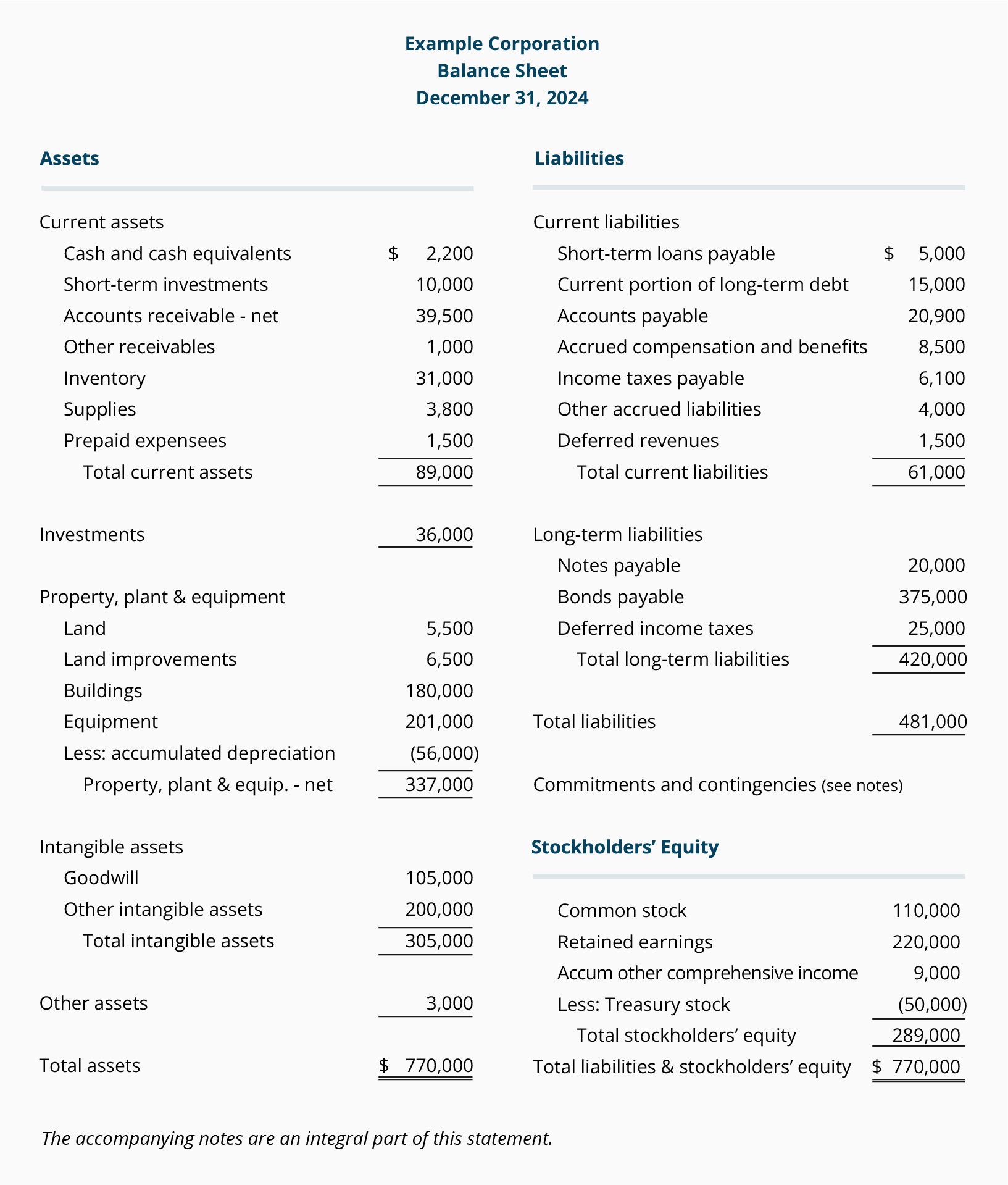
Balancement sheet
Noun
The balance sheet is one of the three cores financial statements that are used to evaluate a business. It provides a snapshot of a company's finances (what it owns and owes) as of the date of publication. The balance sheet adheres to an equation that equates assets with the sum of liabilities and shareholder equity.
Example: The BALANCEMENT SHEET provides an overview of the state of a company's finances at a moment in time
fr: Bilan
Capital
Noun
wealth in the form of money or other assets owned by a person or organization or available or contributed for a particular purpose such as starting a company or investing.
Example: Let’s take a look at the machine example again. You purchase the machine for $1,500, but you spend $600 on new parts to fix the machine before you sell it for $2,000. Between the cost of the machine and its new parts, you spend $2,100. This is considered a capital loss of $100 because you spent more money on the total investment ($2,100) than you received for the sale ($2,000). In your books, record a CAPITAL loss of $100.
fr: Capital
Cash flow
Noun
the total amount of money being transferred into and out of a business, especially as affecting liquidity.
Example: Having a fixed budget allows the management to more accurately forecast the company's CASH FLOW and better invest other funds.
fr: Flux de trésorerie
Closing the book
Noun
The term “closing the books” refers to an accounting procedure that happens at the end of each month or designated company period, and at the end of each year. The Procedure. Financial transactions today are typically recorded in accounting software, but years ago they were recorded in accounting books.
Example: Company accountants “CLOSE THE BOOK,” meaning they approve and finalize the data so financial reports like the income statement and balance sheet can be created.
fr: Écriture de fermeture
Depreciation
Noun
a reduction in the value of an asset with the passage of time, due in particular to wear and tear.
Example: Gross fixed capital formation is the addition to capital stock minus DEPRECIATION.
fr: Dépréciation
Dividends
Noun
a sum of money paid regularly (typically quarterly) by a company to its shareholders' out of its profit (or reserves).
Example: Specifically on the figures, again comparing 2004 (53 weeks) to 2005 to ensure all figures can be compared on the same basis: Sales +10.5% Gross Profit (PBIT) +22.6% Operating profit +12.3% Profit for the year +24.1% Retained Profit +33.4% DIVIDENDS +13.8% EPS +17.8% Underlying EPS +12.6% Underlying undiluted EPS +12.2% The share price performance during the year was good - an increase of 17.8% on earnings per share, with underlying undiluted EPS rising by 12.2%.
fr: Dividendes
Equity
Noun
Equity, often called stockholders’ equity or owners’ equity, is the amount of money left over and returned to shareholders after a business sells all assets and pays off all debt, represented by the equation “Equity = Assets – Liabilities.”
An indicator of a company’s financial health, equity can consist of both tangible (buildings, cash, land) and intangible (copyrights, patents, brand recognition) assets. It exists as a record on a company’s balance sheet. Sole proprietorships only use the term owners’ equity, because there are no shareholders.
Example: In my view it could also be because people want to maintain social EQUITY as they expect others to loaf.
fr: Équité
Expenses
Noun
the cost required for something; the money spent on something.
Example: Gross profit margin should be stable since change in this ratio can have a significant impact on Net profit for the year and without adequate gross margin, a company will not be able to "pay its operation and other EXPENSES and build for the future".
fr: Dépenses
General ledger
Noun
Accountants use a general ledger to record financial transactions and data for companies. Employed by companies that use double-entry bookkeeping, general ledgers include debit and credit account records. Companies use the information in their general ledgers to prepare financial reports and understand their financial performance and health over time.
Example: All of the transactions must be added to the GENERAL LEDGER.
fr: Grand livre général
Income statement
Noun
Also known as statements of revenue and expense or profit and loss statements, income statements provide information about businesses’ expenses and revenue in specific periods of time. Along with balance sheets and statements of cash flows, income statements offer insight into companies’ financial health.à
Example: The INCOME STATEMENT tells if a business had profits or losses.
fr: Relevé de revenue
interest
Noun
money paid regularly at a particular rate for the use of money lent, or for delaying the repayment of a debt.
Example: If you don't pay in 10 days you will have some INTEREST fees of 2.5%.
fr: intérêt
Inventory
Noun
Inventory refers to a company’s goods and raw materials used for making the goods it sells. It appears on a balance sheet as an asset. Inventory includes finished goods, raw materials, and works-in-progress. Generally, companies should avoid holding large amounts of inventory for long periods of time, due to the risk of obsolescence and storage costs.
Example: The production of SENG was 298,700 units in Period 7, with 36 units left in INVENTORY, despite the retail prices remaining constant.
fr: Inventaire
Investment
Noun
An investment is an asset or item acquired with the goal of generating income or appreciation.
Example: The raise in import of more capital intensive goods including INVESTMENT and intermediate goods may be conducive to economic growth.
fr: Investissement
Liabilities
Noun
A liability is when someone owes someone else money. Someone can fulfill the obligation of settling a liability through the transfer of money, services, or goods. Types of liabilities can include loans, mortgages, accounts payable, and accrued expenses. Short-term liabilities conclude in less than a year, while businesses may expect long-term liabilities to take longer than a year to resolve.
Example: Current ratio relates current assets with current LIABILITIES (Current ration divided by current LIABILITIES) and provides an idea as to "efficiency of the company's operating cycle".
fr: Passifs
Liquidity
Noun
Liquidity relates to how easily an individual or business can convert an asset to cash for its full market value. The most liquid asset, cash, can easily and quickly convert to other assets. Accounting liquidity measures how easily someone can pay for things using liquid assets. Market liquidity refers to how easily a market (such as a housing market or stock market) facilitates the transparent buying and selling of assets at stable prices.
Example: Same as Current ratio, higher the ration is, the better LIQUIDITY of the company is. However, it is used as more "reliable guide to the LIQUIDITY of a business than the current assets held at the balance sheet date".
fr: Liquidité
Net income
Noun
Also called net earnings or net profit, net income is the amount an individual or business earns after subtracting deductions and taxes from gross income. To calculate the net income of a business, subtract all expenses and costs from revenue. Sometimes called the bottom line in business, net income appears as the last item in an income statement. Investors and shareholders look at net income to assess companies’ financial health and determine businesses’ loan eligibility.
Example: Full list of countries provided in Appendix 1. 1.2 Economic Indicators of Development The GNI (gross national income) per capita is arguably the most revealing single development indicator, displaying the value of everything produced in the formal sector of an economy, (including NET INCOME from abroad) divided by the size of the population.
fr: Revenu net
Overhead
Noun
Overhead refers to the ongoing costs of doing business, other than those related to directly creating a good or service. Companies must understand the cost of overhead to figure out how much they need to charge for their goods or services and make a profit. Income statements include information about overhead expenses.
Example: The OVERHEAD costs need also to be recorded and assessed by the finance representative of the operations department who is an integral part of the project team.
fr: Frais généraux
Present value
Noun
Money today is typically assumed to be worth more than the same amount of money received in the future. This is due to the assumed rate of return and inflation. Present value is the current value of money in the future, with a specific assumed interest rate that could accrue over that period of time.
Example: This approach finds the PRESENT VALUE of expected net cash flows of an investment, discounted at cost of capital and subtract from it the initial cash outlay of the project.
fr: Valeur actuelle
Profit and loss statement
Noun
A profit and loss statement, also called an income statement, shows the expenses, costs and revenues for a company during a specific time period. This financial statement, along with the cash flow statement and the balance sheet, provides information about a business’s financial health and ability to generate profit.
Example: What do the PROFIT AND LOSS STATEMENT look like this year?